Behind every product in our Made in Syria section is a workshop, an orchard or a kitchen somewhere in the country. Some are family businesses that have done the same work for generations; others are young makers reviving a craft. We cannot introduce every one of them here, but we can show you the kinds of places your order comes from, and why buying from them matters.
Soap makers in Aleppo
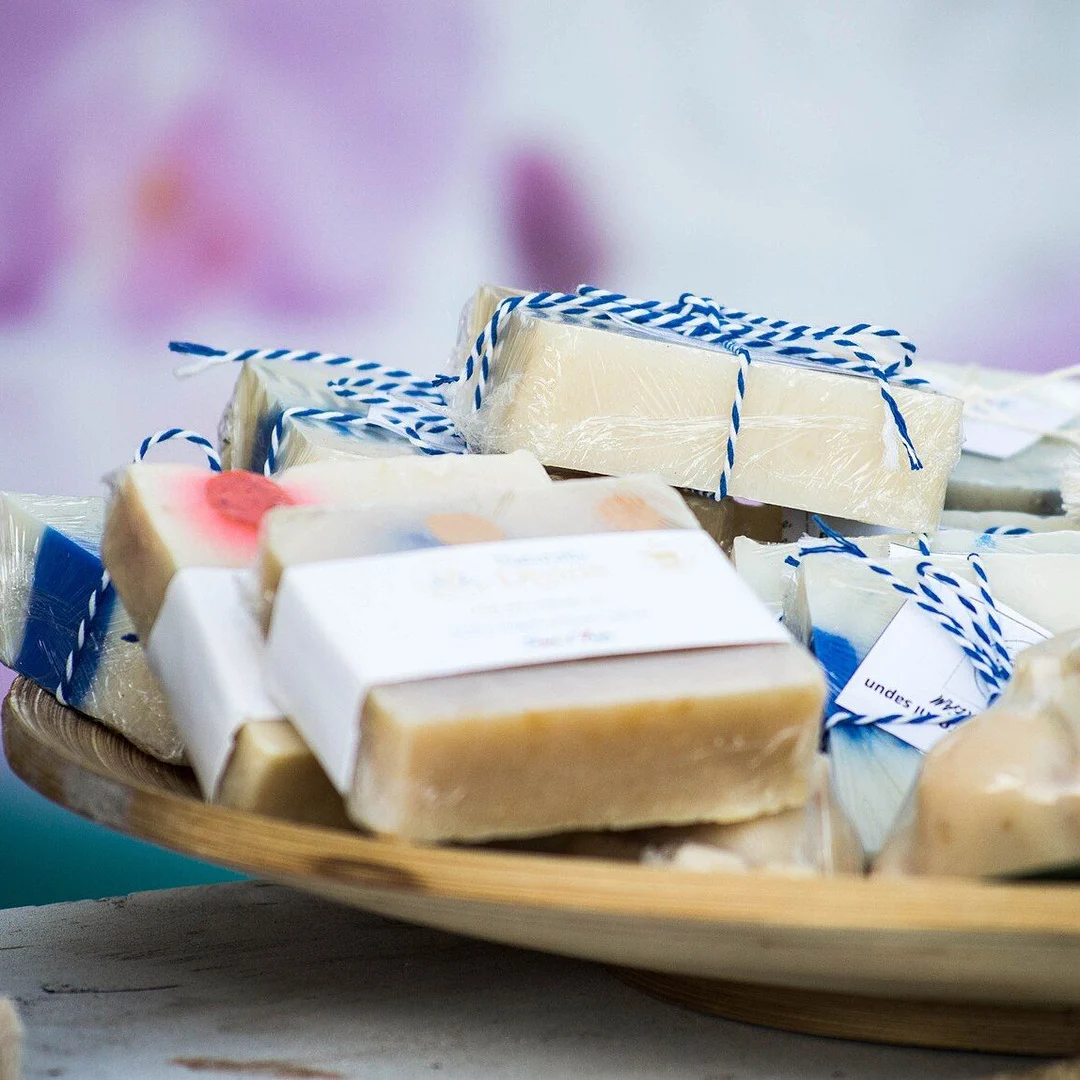
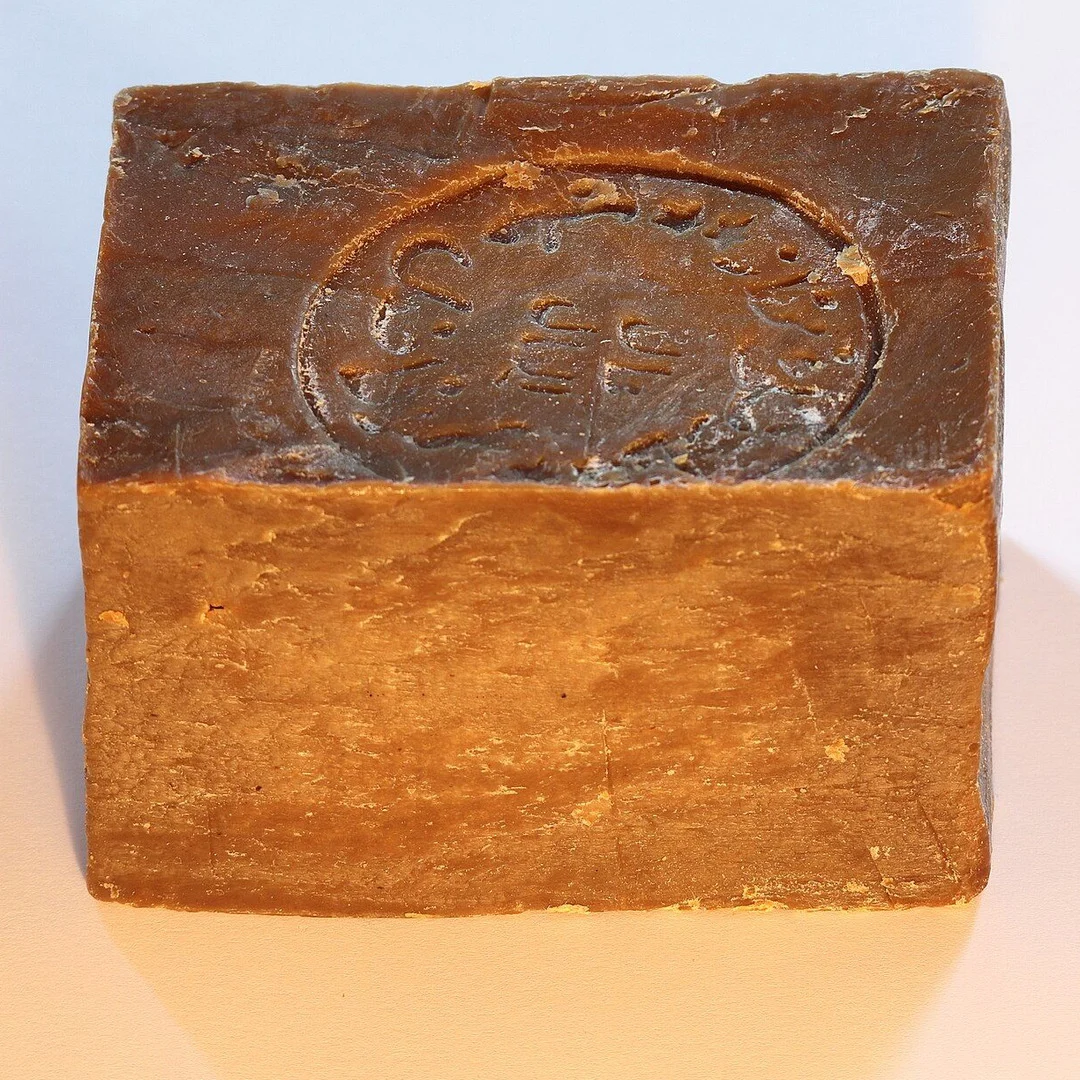
An Aleppo soap workshop is a place of big vats, wide floors and patience. Olive oil, laurel oil, water and lye are cooked together, poured out to set, cut and stamped by hand, then stacked in airy towers to cure for months or longer. The maker's skill shows in the balance of oils and in knowing when a batch is ready.
Many of these workshops sell several laurel strengths, from gentle everyday bars to the strong 40% laurel soap. Read our Aleppo soap range to see the variety.
Carpet weavers in Aleppo and the Euphrates valley
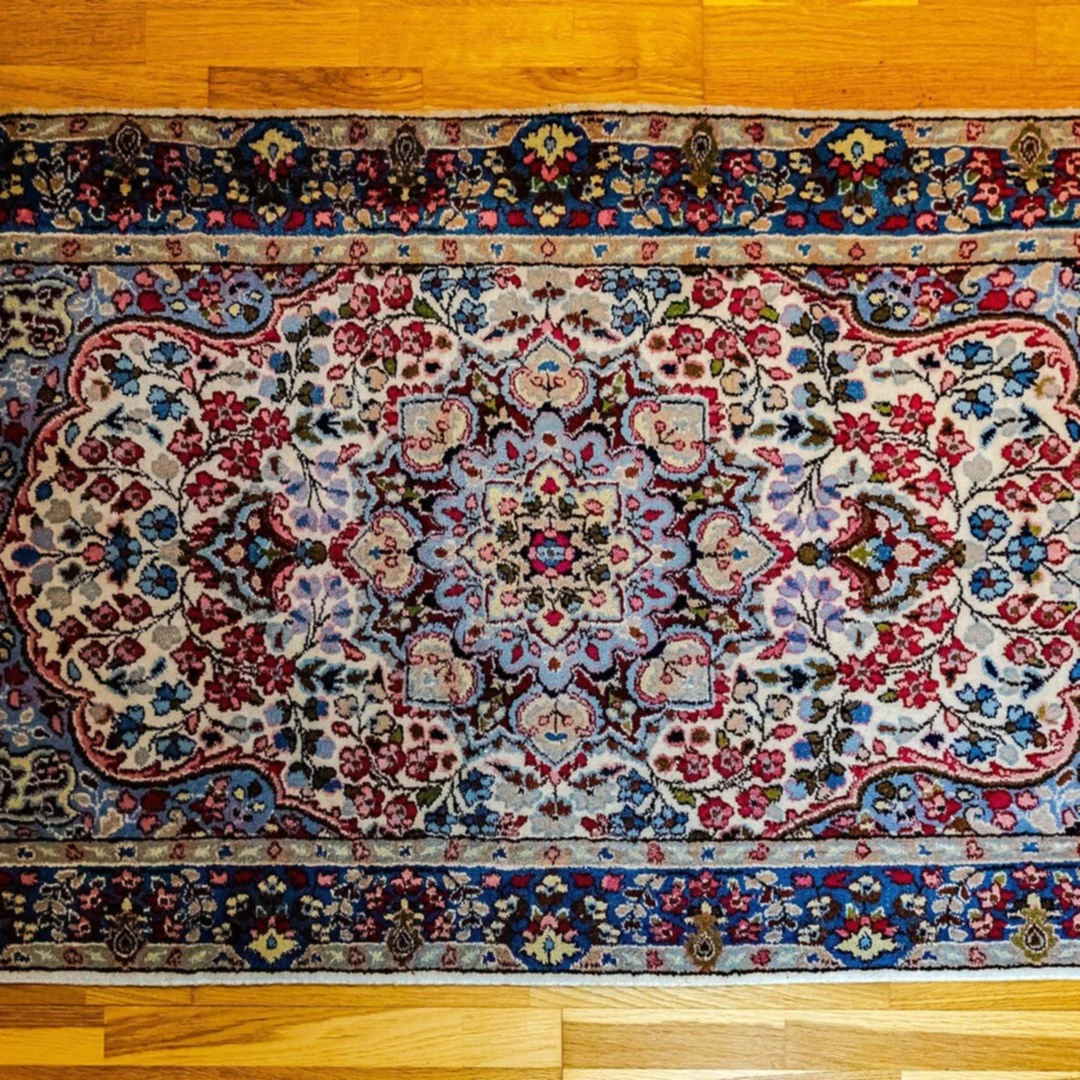
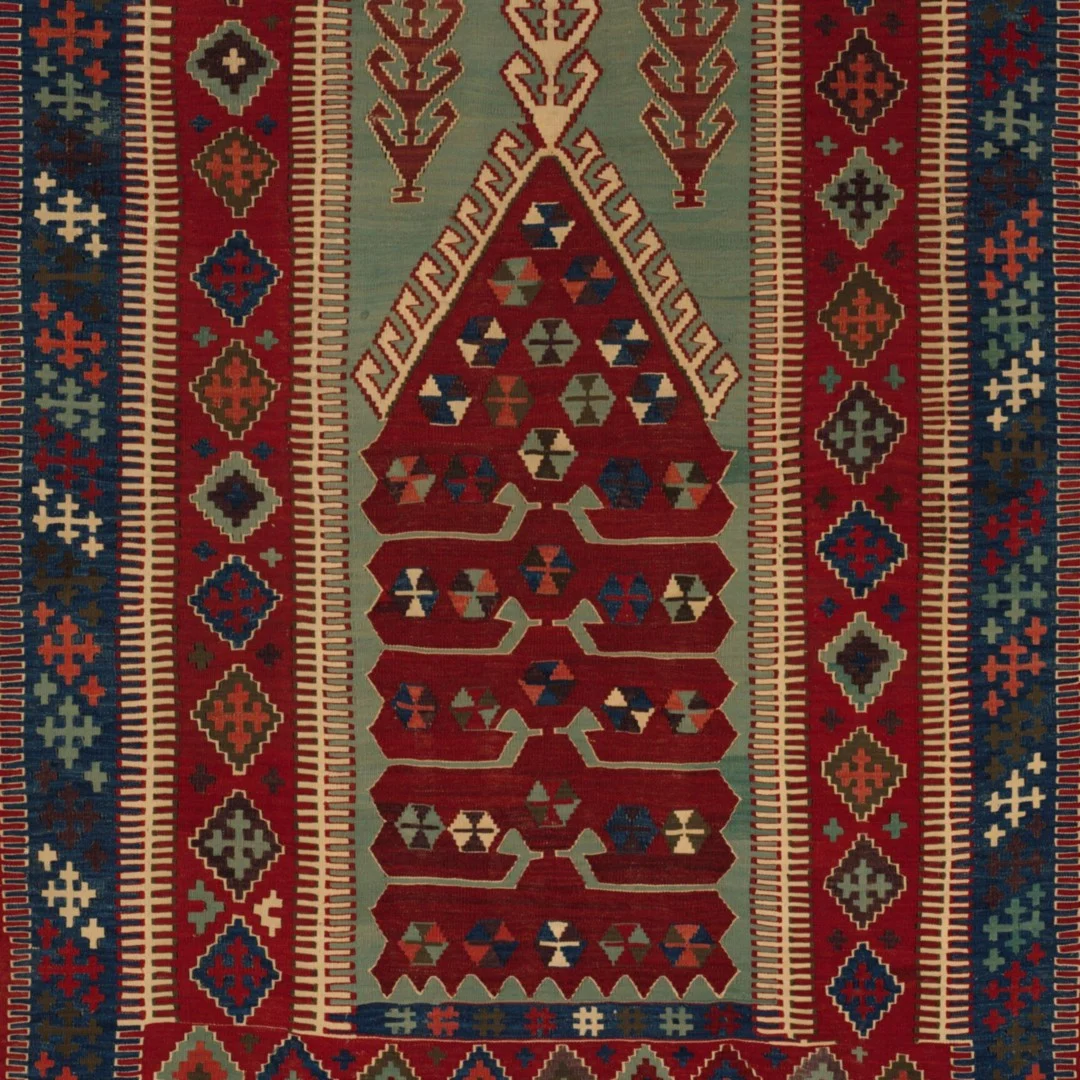
A hand-knotted carpet starts as hand-spun wool, dyed in big vats and knotted row by row on a vertical loom. A single rug can take a weaver months, and the density of the knots, the evenness of the rows and the depth of the colours tell you how much care went into it. Along the Euphrates, families still weave flat kilims on ground looms in bold geometric patterns.
Start with the hand-knotted wool rug or the hand-woven kilim, and browse more in carpets and rugs.
Perfumers near the Umayyad Mosque
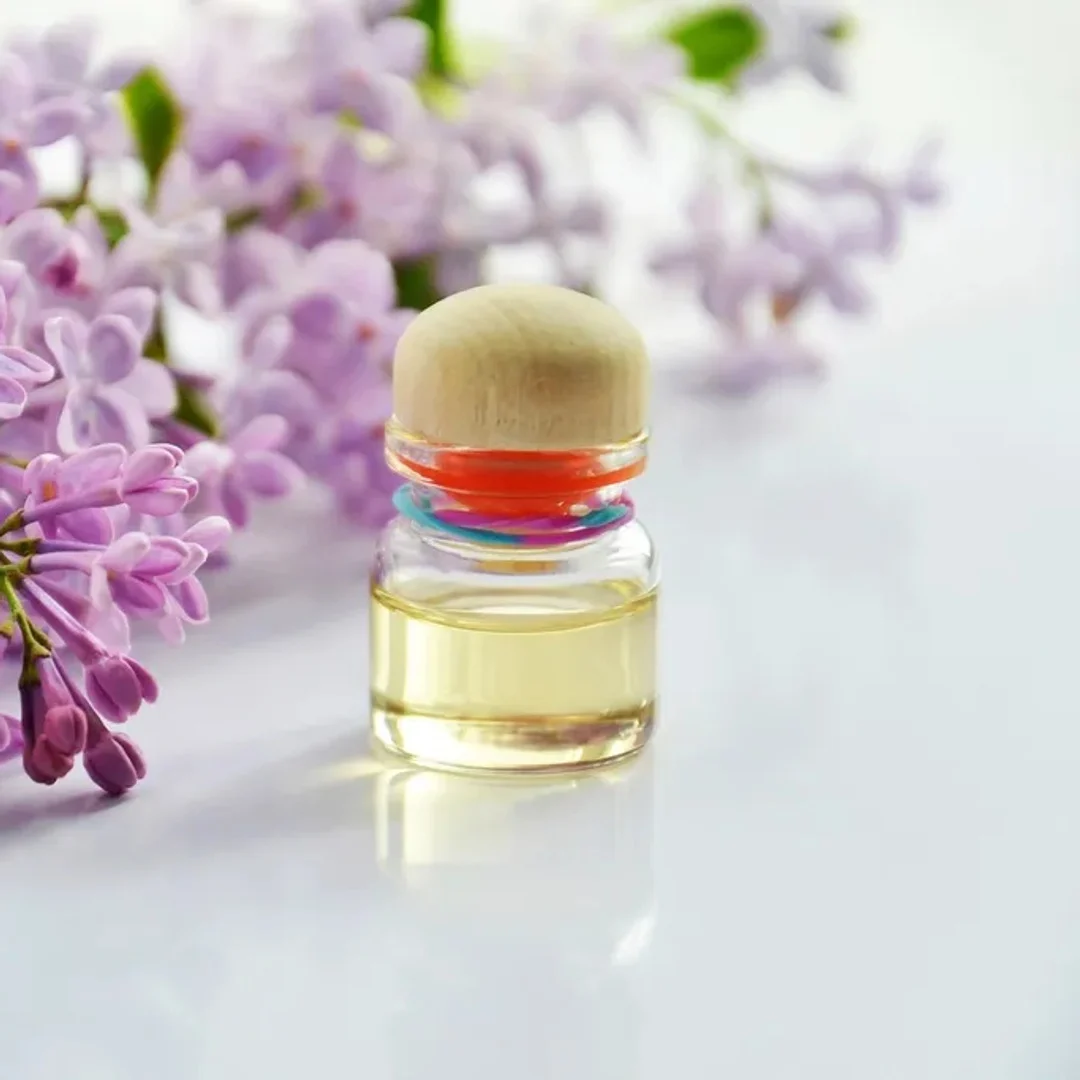
The perfume souqs of old Damascus have blended oud, musk and Damask rose for centuries. A good perfumer knows how a scent opens, how it settles on the skin and how long it lasts, and many still blend attars by hand for their regular customers. The rose itself comes from Al-Marah, the village whose rose harvest is on UNESCO's heritage list.
Try the Damask rose oil perfume, or look through our perfumes.
Mosaic workshops in Damascus
In a mosaic workshop, rods of walnut, lemon and rose wood are bundled with bone and mother-of-pearl, sliced into thin tiles and fitted onto boxes, boards and frames. A single backgammon board can take many hours of careful work. These are some of the most skilled crafts in the section, and often the most treasured gifts.
Leather workshops in Aleppo
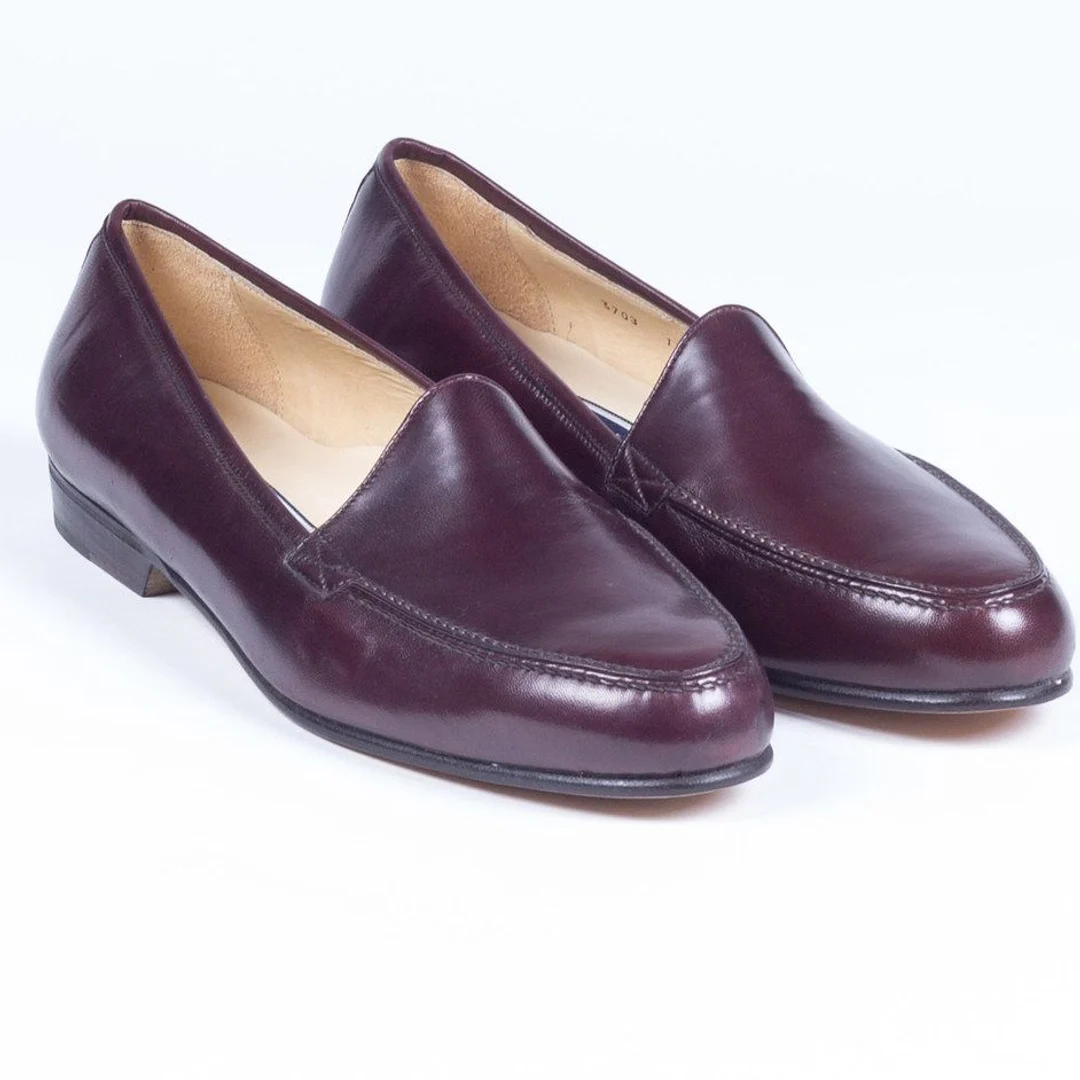
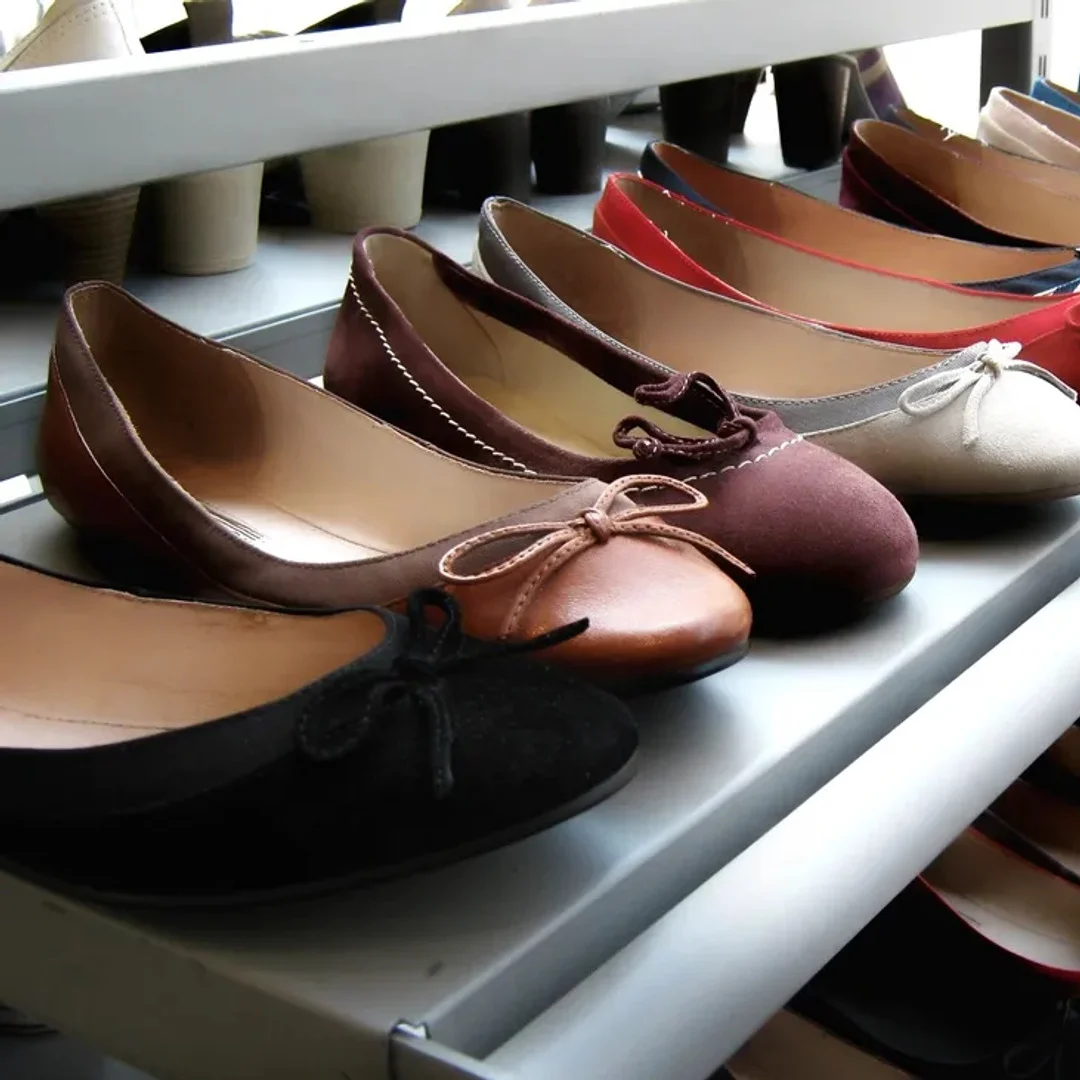
In Aleppo's old souks, family workshops still cut, stitch and last shoes by hand. Full-grain leather, careful stitching and a sole that can be repaired are the marks of their work, and a pair often takes two days to make.
See the handmade leather loafers and the leather ballet flats.
Knitters in the Damascus countryside
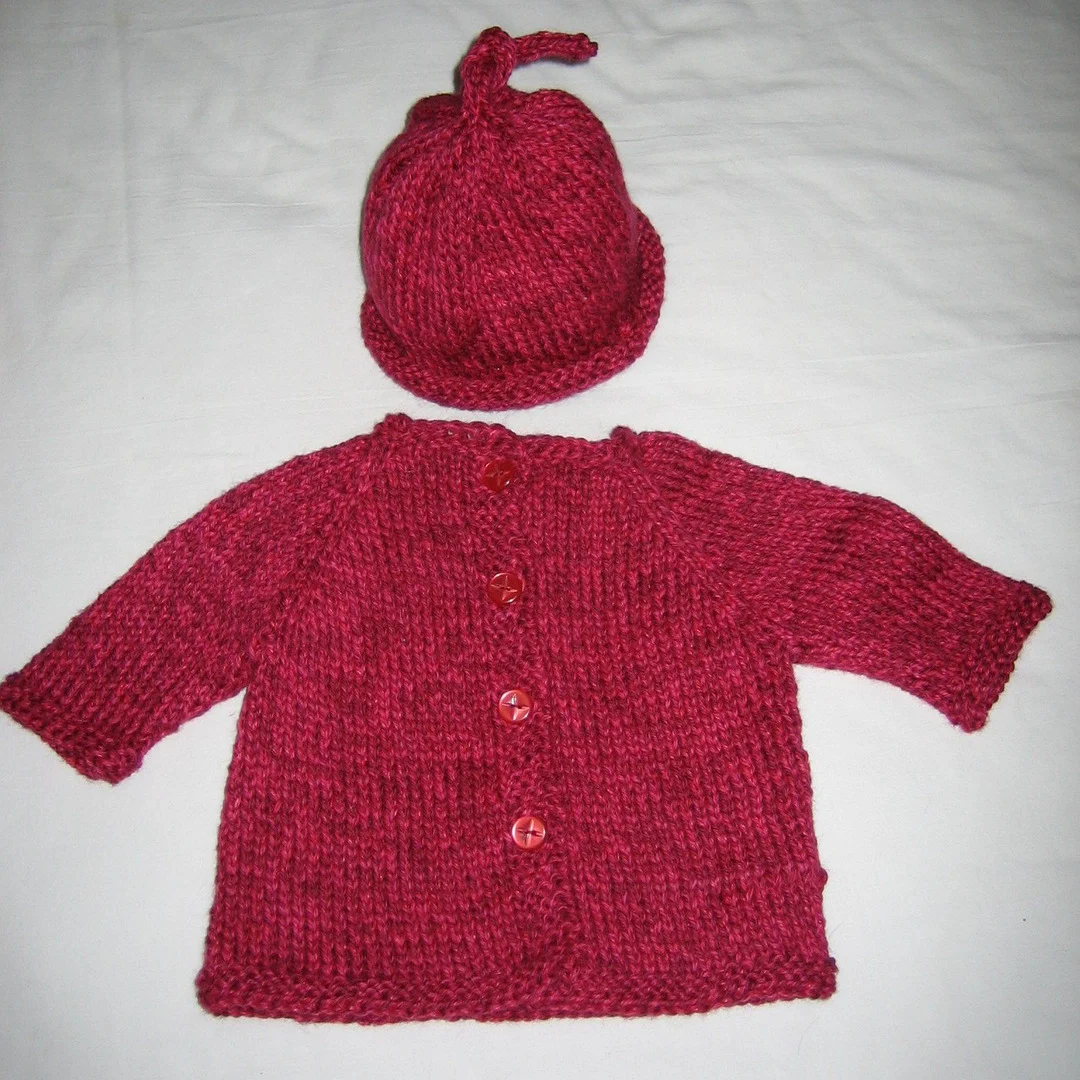
Circles of mothers in the countryside around Damascus knit soft baby clothes by hand, from tiny cardigans to hats and mittens. Every piece is a little different, and every purchase is a real income for a family.
The hand-knit baby cardigan is a lovely gift for a new arrival.
What you see on every maker's page
Every product in Made in Syria shows:
- The maker's name, whether a person, a family or a workshop.
- Their city or governorate, so you know where it was made.
- Their story, in their own words where possible: how they started, how they work, what they are proud of.
What the blue "trusted" badge means
Some sellers carry a blue badge. It means Shaam has verified the seller and marked them as trusted. It is a useful signal when you are choosing between similar items, but every seller in the section still follows the same order, delivery and return rules.
Why buying from them matters
- Your money stays local. Your purchase supports a workshop, its workers and its suppliers.
- Crafts survive when people buy them. Skills like mosaic and brocade weaving are passed on when there is work for the next generation.
- You get the real thing. Knowing the maker and city gives you a clearer picture of what you are buying.
- Your reviews help. A short, honest review after delivery helps good makers stand out and helps other customers choose.
Not ready to buy? Star a product to save it for later, so you can come back to the maker when the time is right.
Choosing a good gift from the section
Made in Syria is a natural place to look for gifts, especially for family and friends abroad who miss the feel of home. A few pointers help:
- Think about travel. Soap, brocade, attars and small wooden pieces pack easily; glass needs more care, and a carpet travels best rolled.
- Check sizes. Shoes, knitwear and rugs list their measurements on the product page; compare them before you order.
- Mix and match. A bar of laurel soap, a small rose attar and a brocade scarf make a simple, very Syrian bundle.
- Share the story. Tell the person who made it and where. It turns a nice object into a meaningful one.
Are you a maker? Join us
If you make something in Syria that people would be proud to own or give, we would like to hear from you. Apply through our sell on Shaam page. Tell us what you make, where you work and how you produce it. Our team reviews applications and gets in touch about next steps, including how products are photographed, priced and delivered.
FAQ
Are all Made in Syria products handmade?
Not all. The section covers products made in Syria, from handcrafts to foods and small-batch goods. The product page explains how each item is made.
Can I contact a maker directly?
Questions about an order go through Shaam, so we can help if anything goes wrong. Use the Contact page and mention the product.
How fast do local products arrive?
They ship from inside Syria, so delivery is typically 1 to 6 days depending on your governorate.
In short
- Every product names its maker, city and story.
- The blue badge marks verified, trusted sellers.
- Buying and reviewing helps Syrian workshops keep going.
- Makers can apply at the sell page.